How to Keep Your Home's Hot Water System in Good ConditionStep-by-Step Guide to Caring for Your Home's Hot Water System
More DetailsWe have noticed this post about Water Heater Maintenance Tips You Can't Afford to Forget listed below on the net and decided it made sense to write about it with you on this site.
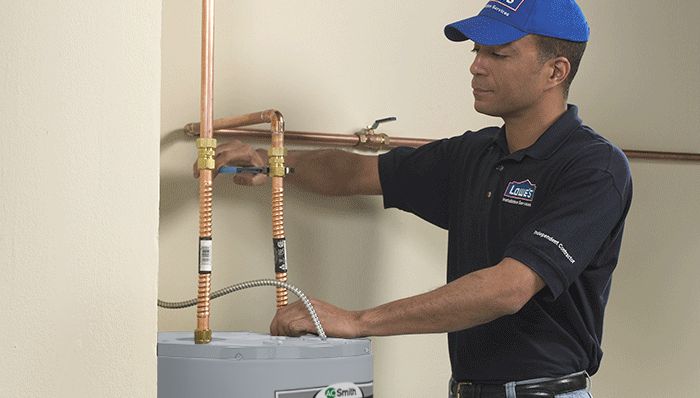
Hot water is important for daily convenience, whether it's for a revitalizing shower or cleaning recipes. To guarantee your warm water system runs efficiently and lasts longer, regular maintenance is vital. This post offers useful suggestions and understandings on how to preserve your home's hot water system to avoid disruptions and pricey repair work.
Introduction
Preserving your home's hot water system may seem complicated, but with a few basic steps, you can guarantee it operates smoothly for several years to find. This guide covers every little thing from understanding your warm water system to DIY maintenance ideas and understanding when to hire professional assistance.
Importance of Keeping Your Hot Water System
Normal maintenance not just prolongs the lifespan of your warm water system but additionally ensures it operates successfully. Ignoring maintenance can bring about decreased efficiency, greater energy bills, and also premature failure of the system.
Indicators Your Hot Water System Needs Upkeep
Understanding when your warm water system needs attention can avoid significant concerns. Watch out for indications such as irregular water temperature level, unusual sounds from the heating system, or rusty water.
Recognizing Your Hot Water System
Prior to diving right into maintenance jobs, it's useful to understand the basic parts of your hot water system. Typically, this consists of the water heater itself, pipelines, anode rods, and temperature level controls.
Monthly Upkeep Tasks
Regular monthly checks can help capture minor concerns before they intensify.
Purging the Water Heater
Purging your water heater eliminates debris buildup, enhancing performance and prolonging its life.
Checking and Replacing Anode Rods
Anode poles protect against corrosion inside the storage tank. Checking and changing them when broken is essential.
Checking and Readjusting Temperature Level Setups
Readjusting the temperature level settings guarantees ideal efficiency and safety and security.
DIY Tips for Maintenance
You can carry out a number of upkeep jobs on your own to keep your hot water system in leading problem.
Checking for Leaks
On a regular basis inspect pipes and links for leaks, as these can lead to water damages and greater bills.
Checking Stress Alleviation Valves
Evaluating the pressure safety valve guarantees it functions properly and stops extreme stress build-up.
Insulating Pipes
Protecting warm water pipelines lowers heat loss and can save energy.
When to Call an Expert
While do it yourself upkeep is beneficial, some concerns require professional know-how.
Facility Problems Needing Specialist Aid
Instances consist of major leaks, electrical problems, or if your water heater is regularly underperforming.
Routine Expert Upkeep Conveniences
Expert upkeep can consist of detailed examinations, tune-ups, and guaranteeing compliance with safety standards.
Conclusion
Regular upkeep of your home's warm water system is essential for performance, durability, and price savings. By following these ideas and recognizing when to seek expert help, you can guarantee a trusted supply of warm water without unexpected disruptions.
How to Maintain an Instant Hot Water Heater
Before tinkering with your hot water heater, make sure that it’s not powered on. You also have to turn off the main circuit breaker and shut off the main gas line to prevent accidents. Also turn off the water valves connected to your unit to prevent water from flowing into and out of the appliance. 2. When you’re done, you have to detach the purge valves’ caps. These look like the letter “T” and are situated on either side of the water valves. Doing so will release any pressure that has accumulated inside the valves while at the same time avoid hot water from shooting out and burning your skin. 3. When the purge valves’ caps are removed, you have to connect your hosing lines to the valves. Your unit should have come with three hoses but if it didn’t, you can purchase these things from any hardware or home repair shops. You can also get them from retail stores that sell water heating systems. Read the user’s manual and follow it to complete this task properly. When the hosing lines are connected, open the purge port’s valves. 4. You should never use harsh chemical cleaners or solutions when cleaning your unit. Make use of white vinegar instead. It should be undiluted and you’ll probably use about 2 gallons. 5. Now flush your water heater. This task should probably take about 40 minutes. We can’t give you specific directions for this because the procedure is carried out depending on the type, model and brand of your heater. With that being said, refer to the user’s manual. 6. When you’re done draining the unit, you have to turn off the purge port valves again. Remove the hosing lines that you earlier installed on each of the water valves. Put the valve caps (purge port) back in their respective places and be very careful so as not to damage the rubber discs that are found inside these caps. 7. Now that everything’s back in place, check your user’s manual again to find out how to reactivate your water heating system. 8. Once it is working, turn one of your hot water faucets on just to let air pass through the heater’s water supply pipes. Leave the tap on until water flows smoothly out of it. https://www.orrplumbing.com/blog/2014/september/how-to-maintain-an-instant-hot-water-heater/
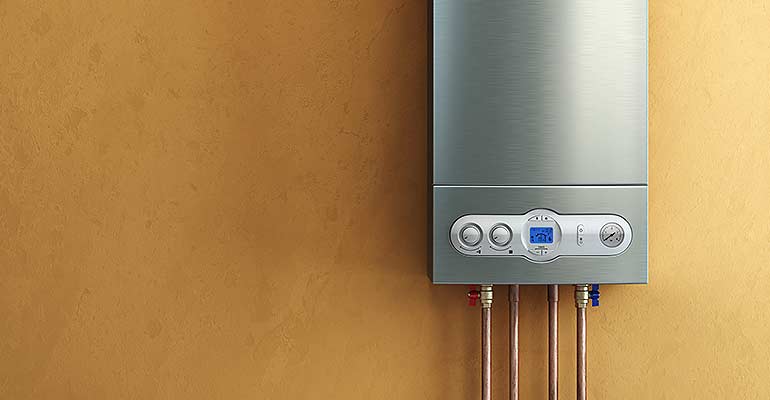
We were made aware of that editorial on How to Maintain Your Water Heater & Prolong its Life from an acquaintance on our other domain. Are you aware of somebody else who is very much interested in Tips on Maintaining a Water Heater? Why not share it. Thank you for your time. Return soon.
Click Here